About Us
Why Servo Motor Repair's
A servo motor is a rotary actuator or linear actuator that allows for precise control of angular position, velocity, and acceleration. Servo motors are widely used in industrial applications and robotics.
It helps with
- Precise control of rotational position
- Reliable and efficient power delivery
- Suitable for high-precision applications
- Compact design with a range of power options
- Low maintenance and durable for long-lasting performance
- Easy integration with existing systems
- Versatile applications in robotics, automation, and more
15
Years
Working
In Servo Motors
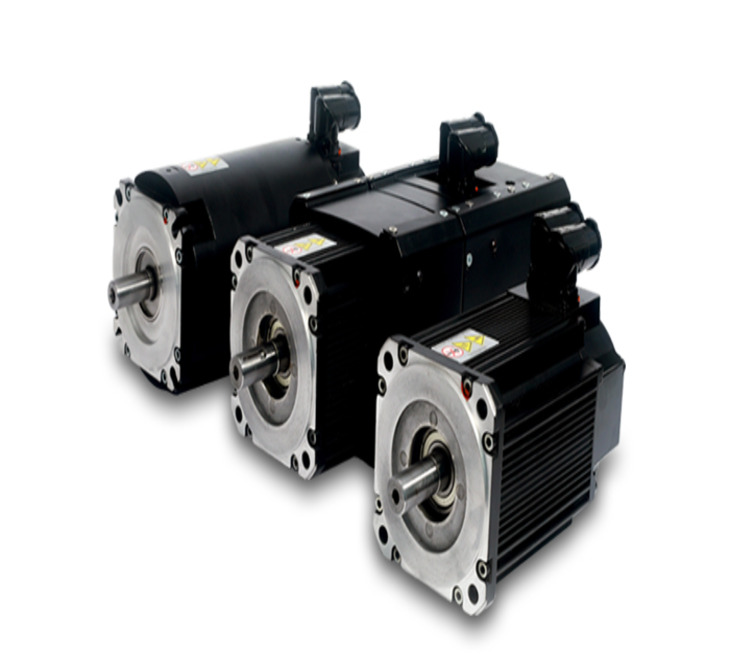
High Torque Servo Motors
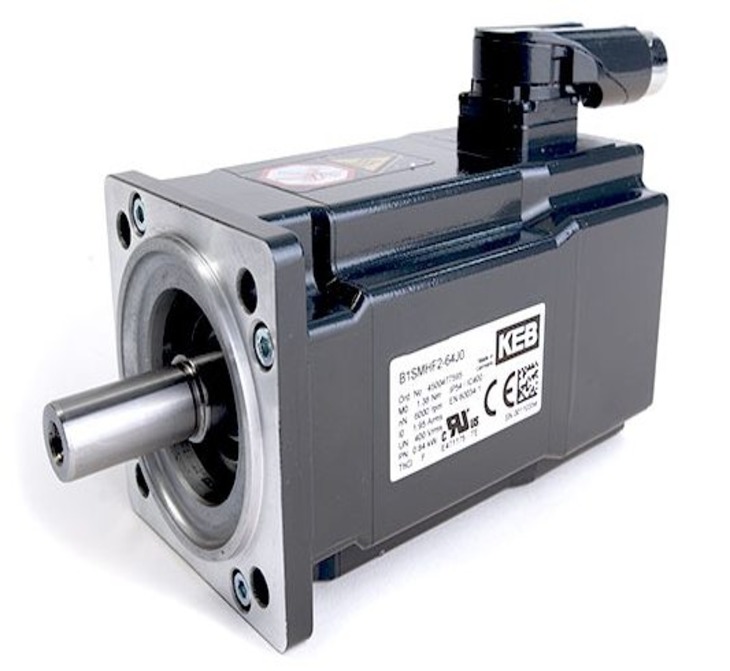
Precision Servo Motors
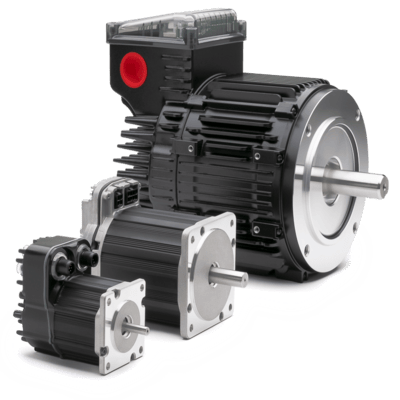
Small and Compact Servo Motors
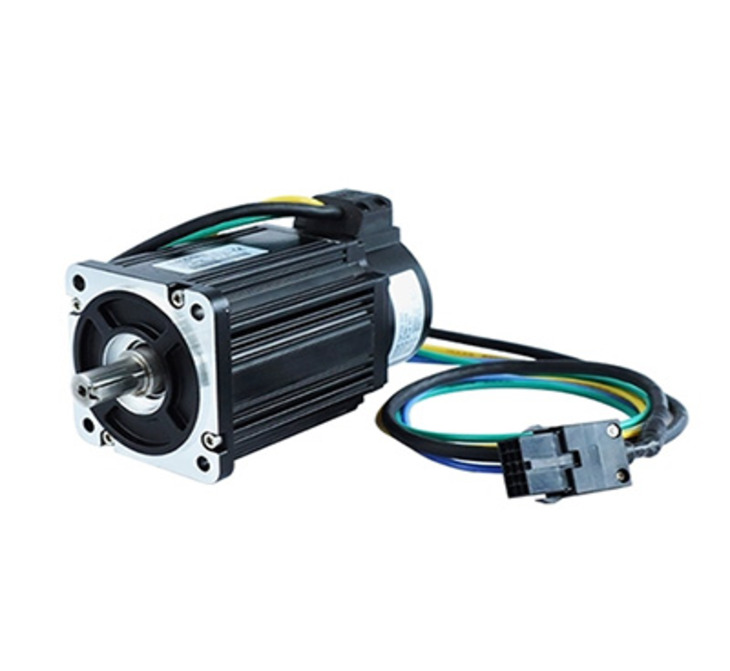
Brushless Servo Motors
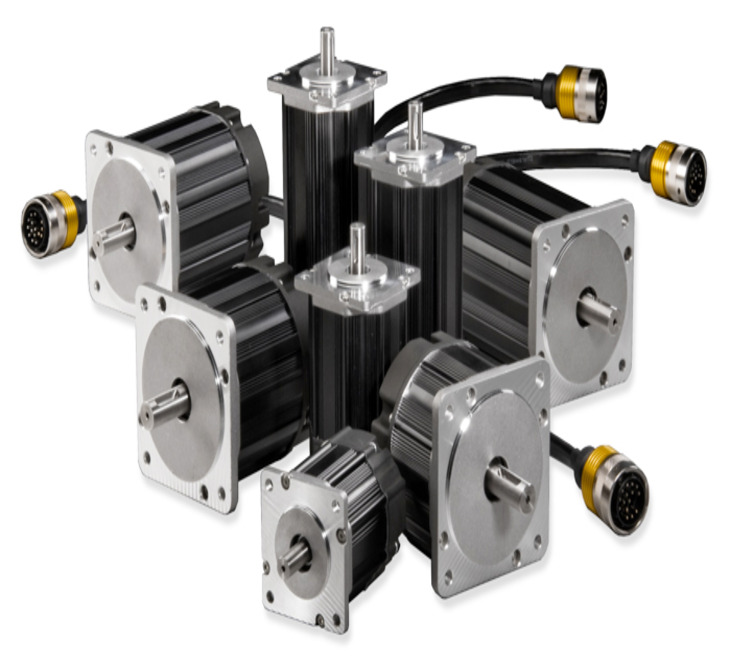
Precision Control Servo Motors
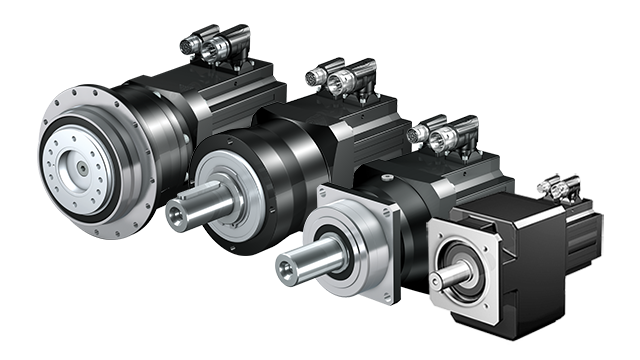
Low Power Consumption Servo Motors
Servo Motors & Applications
Looking for a servo motor? Look no further, with our high-quality servo motors, our experienced and qualified team ensures top-notch performance and reliability for your application needs.
Servo Motors:
A servo motor is an advanced type of motor used for precise control of rotational position and speed, ideal for applications that require high accuracy.
Automated Systems:
Automated systems are powered by servo motors to enable precise movement control for robotic arms, conveyors, and various machinery, ensuring seamless operations and efficiency.
Servo Motors - Repair and Troubleshooting
Having trouble with your servo motor? Our experienced team is here to help with comprehensive repair services. Servo motors can face a range of issues that may impact their performance, and our experts are equipped to handle all types of repairs efficiently.
Servo Motor Repair Services:
Our team specializes in diagnosing and repairing servo motors, ensuring they operate at peak performance. From simple maintenance to complex repairs, we have the expertise to address a wide variety of problems that can affect servo motors.
Common Issues with Servo Motors:
- Motor Overheating: Servo motors can overheat due to excessive load, incorrect wiring, or poor ventilation. If left unchecked, overheating can lead to long-term damage to internal components such as the windings or bearings.
- Motor Stalling: If the servo motor fails to rotate properly or becomes stuck, it may be a sign of issues such as insufficient power supply, worn-out gears, or an electrical fault.
- Loss of Feedback Signal: Servo motors rely on feedback systems (encoders or resolvers) to ensure accurate position control. A failure in the feedback loop can cause erratic motor behavior and poor performance.
- Erratic Movement or Jittering: This issue often occurs when there is a problem with the motor controller or the encoder. The motor may not respond correctly to commands or may behave erratically during operation.
- Worn Brushes or Bearings: For brushed servo motors, worn brushes can cause inconsistent motor operation or even complete failure. Similarly, worn bearings can lead to increased friction and reduced efficiency.
- Electrical Issues: Servo motors are powered by an electrical system, so issues like power surges, incorrect voltage, or damaged wiring can affect their functionality.
- Contaminated or Damaged Gearbox: A malfunction in the gearbox can lead to mechanical issues, causing noise, vibrations, or even complete failure of the motor.
- Corroded or Dirty Connectors: Poor electrical connections due to corrosion or dirt buildup can lead to signal loss, reducing the motor's efficiency and performance.